Androfeme 1 Testosterone Cream Reviews

Androfeme 1 Testosterone Cream Reviews

Testosterone for the menopause

Expert reviewer Dr Samantha Wild, Bupa Clinics GP
Next review due December 2023

Testosterone for the menopause can help to ease some sexual symptoms such as a reduced sex drive. It's usually offered to women in addition to hormone replacement therapy (HRT), especially women who have reached menopause prematurely or due to surgery.

A woman reading on her sofa

About testosterone

You may think of testosterone as a hormone that only men produce, but women produce it too. In fact, your body makes three or four times more testosterone than oestrogen. It affects many different things, from your mood and thinking through to the strength of your muscles and bones. Testosterone has an important role in your sex life too. It affects your sex drive, your orgasms and how aroused you are before and during sex.

Testosterone and the menopause

As you get older the amount of testosterone your body makes starts to go down. When you go through the menopause, either naturally or because you have had your ovaries removed, the amount of testosterone in your body drops by about half.

For some women, the reduced amount of testosterone can cause upsetting symptoms, such as not feeling like having sex, not getting aroused during sex and problems having an orgasm. These symptoms usually mean that having sex becomes less pleasurable.

You may have other symptoms too, including

  • tiredness
  • low mood and depression
  • headaches
  • acne
  • an increase in hair growing on your face
  • hair loss on your head

Transgender men and people who identify as non-binary can also get the symptoms of the menopause. If you identify as non-binary or are a trans man and you're interested in testosterone and the menopause, you should get specialist advice.

If you're going through the menopause and any of these symptoms are affecting your day-to-day life, speak to your doctor.

Use of testosterone for the menopause

Around four in every 10 women has sexual symptoms during and after the menopause, including a low sex drive. This can cause a lot of distress and have a big impact on how you feel about your life.

Hormone replacement therapy (HRT) can help to ease many of the symptoms of the menopause, including sexual symptoms. Your doctor may prescribe this first to see if it helps. If HRT doesn't work for you, your doctor may suggest trying testosterone in addition to HRT. Although it doesn't work for everyone, around six out of 10 women with severe sexual symptoms find that testosterone helps.

In the UK, testosterone is licensed to treat conditions in men, but it isn't licensed to treat menopause symptoms in women. That means it's called an 'off-label' medicine for menopause. Some medicines can be, and are, prescribed to be used 'off-label' in a different way from the way they are licensed to be given. If you want to use testosterone, you usually need see a specialist to have it prescribed.

Who shouldn't take testosterone for menopause?

There are some women who should not take testosterone. If you have had hormone sensitive breast cancer or if you have active liver disease, you shouldn't take it.

Making a decision

As with all medicines, there are benefits and risks to taking testosterone for menopause symptoms. There is only a little research that looks at the long-term effects of taking testosterone for the menopause. Researchers want to do more studies on the impact it may have on bones and muscles, or on mental health and mood.

Some testosterone medicines available for women to take have been made for and tested on men. Many women have taken testosterone for the menopause and found it works for them, but if you're worried about this, speak to your doctor.

Always talk to your doctor before deciding whether to take a medicine or not.

How testosterone for the menopause works

Hormone treatments for the menopause, such as HRT and testosterone, replace hormone levels that have fallen in your body. Testosterone is usually given as a transdermal medicine, which means it's absorbed through your skin.

Types of testosterone for the menopause

There are a few different types of testosterone that you may be prescribed in the UK:

  • A cream or gel to rub onto your skin (Testogel, Tostran or Androfeme).
  • An implant which is put in just under your skin.

Androfeme and testosterone implants aren't available through the NHS, but you may be offered them if you see a doctor privately.

Taking testosterone for the menopause

If you're using a cream or gel, rub a small amount onto clean and dry skin every day or every other day. Choose a non-hairy area such as your abdomen (tummy), the top part of your thigh or a buttock. Change the place each time you put it on.

Let your skin dry before you cover it with clothes. Don't shower or bath for two or three hours after you've put the cream or gel on. Wash your hands as soon as you've put the testosterone on your skin and be careful not to let anyone else touch it.

You may be given a tube or sachet which has more than one dose in it. You will need to divide this up into the amount you need to take each time. The usual dose is 5mg a day or 10mg every other day, but your doctor will tell you how much you need to take and when. If you're not sure how much you need to put on, always check.

Testosterone doesn't usually work straightaway. It can take up to 12 weeks for your symptoms to improve. So, your doctor will probably suggest you try testosterone for three to six months to see if it works for you.

Always read the patient information leaflet that comes with your medicine. If you have any questions, ask your pharmacist or GP for advice.

Taking other medicines

Testosterone for menopause is often taken in addition to HRT. Your doctor may also suggest you take other medicines. If you have changes in your vagina and vulva after the menopause, such as vaginal dryness and discomfort during sex, your doctor may also recommend using vaginal oestrogen. This comes as a cream, tablet or ring which you put into your vagina. You can also use over-the-counter lubricants and creams when you're having sex. These can help to make sex more comfortable.

Side-effects of testosterone

Side-effects are the unwanted effects of taking a medicine. If you have side-effects, it's important to talk to the doctor who prescribed your medicine before you stop taking it.

If you're taking the right amount of testosterone in the right way, the likelihood of getting side-effects is low. Some women do get mild side-effects, but these are not usually severe enough for them to stop taking the testosterone.

The potential side-effects of testosterone are:

  • unwanted hair growth
  • acne
  • hair loss on the front area of your head
  • a deeper voice
  • the area of skin where you put the testosterone gel or cream on can become hairier – you can prevent this by using a different area of skin every day
  • your clitoris becoming larger

There is a chance that testosterone may not work for you. Feeling less like having sex or less aroused can also be a symptom of other things as well as low testosterone levels. Changes in your relationship, other health problems and depression can all affect how you feel about sex. Your doctor should talk to you about this before prescribing testosterone and it's important to say if there may be other things affecting your sex life.

If testosterone helps to ease your symptoms and you carry on taking it, your doctor will monitor you. You will be asked to have a blood test before you start testosterone. This will be repeated three months after you start taking it, then three months after, and then at least once a year. This can help your doctor see whether you're getting the right amount of testosterone. After that you'll be asked to have a blood test every year.

You and your doctor should talk at least once a year about how you're getting on using the testosterone and the benefits and risks of continuing to take it.

This section does not include every possible side-effect of testosterone. Please read the patient information leaflet that comes with your medicine and speak to your doctor, pharmacist or healthcare professional for more information.

Did our information help you?

We'd love to hear what you think. Our short survey takes just a few minutes to complete and helps us to keep improving our health information.


About our health information

At Bupa we produce a wealth of free health information for you and your family. This is because we believe that trustworthy information is essential in helping you make better decisions about your health and wellbeing.

Our information has been awarded the PIF TICK for trustworthy health information. It also follows the principles of the The Information Standard.

The Patient Information Forum tick

Learn more about our editorial team and principles >

Androfeme 1 Testosterone Cream Reviews

Source: https://www.bupa.co.uk/health-information/womens-health/menopause-testosterone

Share:

Spreads For Low Carb Diet

Spreads For Low Carb Diet

Signs of Low Testosterone

CC0/DarkoStojanovic/Pixabay

Testosterone is a hormone that exists in both males and females of the human species. In men, testosterone is responsible for the proper functionality of the sexual and reproductive systems. It also plays a role in other functions of the human body, including:

  • Maintaining bone density
  • Promoting muscle strength
  • Production of red blood cells
  • Promotion of sex drive
  • Healthy fat distribution in the body

Not only does testosterone play these important roles in the male body, but it does so in the female body as well. Women, however, possess lower levels of this hormone than do men. When women have too much testosterone, they can suffer conditions such as male pattern baldness and other adverse developments.

Common Symptoms

While having too much testosterone can be problematic, too little testosterone can lead to deterioration of health. Since testosterone plays a crucial role in the production and development of sperm, for men, low testosterone can lead to infertility.

For men, a healthy testosterone level is between 270-1070 ng/dL (nanograms per deciliter). The average level would be around 679 ng/dL.

Some of the symptoms of low testosterone in men are:

  • Gaining significant fat
  • Muscle depletion
  • Hair loss
  • Erectile dysfunction
  • Development of larger than normal breasts
  • Lethargy

For women, healthy testosterone levels are around 15-70 ng/dL. Symptoms of low testosterone in women include fatigue, sleep disruption, low sex drive, loss of bone density, and weight gain.

Causes of Low Testosterone

Testosterone levels tend to drop in men as they age. According to scientific studies, the peak stage for testosterone for a man occurs at around the age of 20, and then gradually decreases.

However, when testosterone drops below the healthy levels, this can be disruptive to the individual's health system.

Certain problems may contribute to this reduction of testosterone to levels that are considered unhealthy. Such problems include but are not limited to the following:

  • Pituitary tumors
  • Hormonal disorders
  • Castration or testicular injury
  • Side effects from taking opiate analgesics and other medicines that reduce testosterone

For women, some of the causes of low testosterone are menopause, problems with the ovaries or health problems with the adrenal glands.

How to Tell If You Are Suffering from Low Testosterone

Because the symptoms of low testosterone are often shared with those of other medical disorders, it can be hard to know if you have low testosterone.

If you have been feeling sluggish and unable to sleep lately, you might be suffering low testosterone. However, other tell-tale signs could be a low sex drive, mood swings, and memory loss or other cognitive disorders.

To diagnose low testosterone, you will need to visit a doctor who will review your symptoms and conduct tests to assess your situation. The doctor will likely conduct a blood test to check your testosterone level. He or she may also do MRI tests or other diagnostic tests to check for tumors and hormonal problems.

Conditions Associated with Low Testosterone

Certain diseases and conditions can make you more likely to experience low testosterone. These include kidney disease, type 2 diabetes, HIV/AIDS, high cholesterol, obesity, heart problems, and metabolic syndrome.

While the exact link between these conditions and low testosterone is not completely understood, one may make you more susceptible to the other. In particular, a weakening of your body's ability to regulate and fight disease seems to result in the body producing less testosterone.

Treatment Options for Low Testosterone

There are several treatment options for curing low testosterone. First, if there's an underlying condition such as tumors and other diseases, the doctor will likely deal with those first.

As to the actual low testosterone, the doctor may prescribe testosterone replacement therapy (TRT). This treatment replenishes the levels of testosterone in the body, and helps to preserve the proper functioning of body processes affected by low testosterone.

In addition, you might also be prescribed a testosterone supplement treatment to get your testosterone levels back up.

Apart from medical options, you can also pursue lifestyle adjustments to boost your testosterone, particularly if the problem is not severe. Lifestyle adjustments include following an exercise program to lose weight, quitting smoking, eating healthy, and getting plenty of rest, including sleep.

Spreads For Low Carb Diet

Source: https://www.life123.com/article/signs-of-low-testosterone?utm_content=params%3Ao%3D740009%26ad%3DdirN%26qo%3DserpIndex

Share:

Low Carb Diet And Prostate Cancer Progression

Low Carb Diet And Prostate Cancer Progression

[ image from Natural Living Ideas]

All cells of the human body require energy in the form of Adenosine TriPhosphate (ATP) to support life. If you remember way back in high school, you learned that the mitochondria are the "powerhouse" of the cell as it produces the majority of ATP. When the mitochondria are impaired, their malfunction is implicated in the majority of today's most concerning chronic and degenerative diseases including obesity, cardiovascular disease, cancer, and diabetes, to name a few.

What are the ketogenic, mitochondria, and health connections?

Initially, ketogenic diets were used to treat seizures, but recent research indicates that benefits related to the management of epilepsy, weight loss, metabolic syndrome, and type 2 diabetes can be achieved with an approach that is less restrictive in carbohydrate and protein, and therefore more satisfying, sustainable, and feasible for the general population.

What is a Ketogenic Diet?

Ketogenic diets (KDs) are diets that mimic the metabolic state of fasting by inducing a physiological rise in the two main circulating ketones, acetoacetate and beta-hydroxybutyrate (BHB).

This is a simple version of how the ketogenic diet works.

When your cells are deprived of glucose (sugar) as their primary source of energy, your body kicks in the next gear and utilizes fat for fuel in the form of ketones.

One can create ketones from either fasting for a prolonged period, anywhere from 16 hours a day or for several days, or from eating a high-fat diet, which is what a ketogenic diet is.

To be clear, a ketogenic diet (KD) is not a high protein diet like a Paleo form of eating. It is a fat diet where lard is in, along with other oils, coconut being a favorite, butter, avocados, etc. Although, it isn't uncommon for people to use a keto supplement alongside their diet.

The Ketogenic Diet and Cancer Connection

KDs target the Warburg effect, a biochemical phenomenon in which cancer cells predominantly utilize glycolysis (burns sugar) instead of oxidative phosphorylation (OXPHOS) to produce ATP (energy). Don't get caught up on what OXPHOS means or how it works for now but know that healthy cells work by using this metabolic pathway.

Thus, the rationale in providing a fat-rich, low-carbohydrate diet in cancer therapy is to reduce circulating glucose levels and induce ketosis such that cancer cells are starved of energy while normal cells adapt their metabolism to use ketone bodies and survive.

To date, the most reliable evidence for KD in suppressing tumors has been reported for glioblastoma (a type of brain cancer).

The proposed mechanism for how the Ketogenic diet works for cancer is like this.

Cancer cells have dysfunctional mitochondria and lack specific enzymes necessary for effective ketone body utilization. In other words, malignant cells can't use ketones for energy but healthy cells can.

Free fatty acids and ketone bodies are considered to become a significant fuel for normal tissues of cancer patients as a consequence of developing insulin resistance. Additionally, ketone bodies have been shown to suppress protein catabolism during starvation (more on this further down.)

Ketogenic Diet and Prostate Cancer: Yes or No?

There have been no studies on KD and prostate cancer.

However, there is a small pilot, non-randomized study going as we speak looking and this dietary approach among a sample of 12 overweight or obese prostate cancer patients on active surveillance. The result will not be available until the Spring of 2021.

Besides there being no studies, should a man with prostate cancer implement a KD?

Yes and no.

Here's the deal;

One mice study looking at the effects of a no carbs keto diet (NCKD), 10% carb diet, and a 20% carb diet on prostate cancer showed is no difference between low-carbohydrate and no-carbohydrate diets regarding prostate cancer growth and progression.

The other important point is that most types of prostate cancer are not glycolytic cancers like glioblastoma's thus the Warburg effect does not apply. Clinically this is relevant, as this prostate cancer will not appear on fluorodeoxyglucose (FGD) PET scans. However, in the late stage, more aggressive metastatic prostate cancer there may be more of a Warburg effect and have a high glucose uptake.

In other words, low-grade prostate cancer and high-grade metastatic prostate are two entirely different animals in how they behave.

Dr. Geo's Take On the Ketogenic Diet and Prostate Cancer

A low carbohydrate diet of about 50 to 60g of carbs total (not sugar, carbohydrates) a day is still, eliminating refined; processed carbs is still essential for early-stage prostate cancer without metastasis or positive FDG PET scan.

The reason why a low-carb diet is vital to beat non-metastatic prostate cancer is not due to the glucose uptake of cancer cells, but the problems of excess insulin production resulting in insulin resistance that promotes the disease. In fact, there is research to suggest that patients with early-onset, type one diabetes mellitus (not type two diabetes) whose pancreas is no longer able to produce insulin are significantly less likely to develop prostate cancer, independent of diet changes.

If a huge guy is diagnosed with prostate cancer, then his high basal metabolic index (BMI) increases the risk of not only getting prostate cancer but dying from it.

It is a good idea for an overweight person with prostate cancer to restrict carbs as low carb diets, and a KD has shown to help with weight loss.

Lastly, ketones from fasting would be contraindicated in cancer patients with rapid weight loss (cachexia) unless a higher fat intake is consumed to avoid further weight loss. Additionally, ketone bodies have been shown to suppress protein catabolism during starvation – meaning that one can maintain muscle from breaking down while utilizing ketones for energy.

Adding medium-chain triglyceride (MCT) to KD in a study to five severely cachectic cancer patients for one week induced a significant weight gain of 2 kg and improved their performance status.

The bottom line is this: A low-carbohydrate, non-ketogenic diet is recommended for prostate cancer with few exceptions: one if the patient has a high BMI, or if prostate cancer is more advanced and shows on glucose dependant PET scan.

My Favorite Books on the Warburg Effect, Metabolic Approach, Ketogenic approach on Cancer

Low Carb Diet And Prostate Cancer Progression

Source: https://drgeo.com/does-a-keto-diet-work-for-prostate-cancer/

Share:

Dieta Low Carb Receitas Doces

Dieta Low Carb Receitas Doces

As dietas restritivas para emagrecimento ou mesmo por conta da intolerância a substâncias como a lactose fazem muita gente cortar ou substituir alguns ingredientes do cardápio. Mas quem disse que os doces precisam ser completamente abolidos? As opções de doces low carb surgiram para salvar as vidas das formiguinhas de plantão, que não abrem mão de uma sobremesa saborosa. Quer saber como prepará-las?

Doces lowcarb: Torta de morango feita com farinha de amêndoas e coberta com lascas de amêndoas

Foto: Shutterstock

Os doces low carb são uma ótima alternativa para quem precisa equilibrar sabor e saúde

Doces low carb: porque nem sempre é preciso abrir mão das sobremesas

Algumas receitas dão vida a doces low carb muito próximos (e às vezes até mais gostosos) dos originais. Bolo, manjar, pudim, mousse, brownie e até brigadeiro…dá para comer isso tudo sem burlar a dieta ou ficar com medo de passar mal graças a uma intolerância qualquer. Sabe qual o segredo? A simples substituição de ingredientes. No lugar da farinha de trigo, entram a farinha de amêndoas, de coco ou aveia. Não pode comer chocolate? Troque por cacau 100%. Açúcar em excesso nunca é bom, use xilitol ou outro adoçante culinário  no lugar dele.

NÃO PARE AGORA... TEM MAIS DEPOIS DA PUBLICIDADE ;)

Aprenda algumas dicas para incrementar seus doces low carb

Seguiu a receita direitinho, mas ainda não ficou 100% satisfeito(a) com seu doce lowcarb? Você pode fazer uso de alguns ingredientes para incrementá-los, que não alterarão o número de calorias da sua sobremesa. São eles: canela, xilitol refinado, cacau em pó e lâminas de amêndoas. Experimente!

Confira, agora, as receitas especiais que selecionamos para você:

Brigadeiro

O doce favorito de 10 entre 10 brasileiros também pode ser feito em versão low carb: com cacau em pó e xilitol.

Bolo de chocolate

Com farinha de amêndoas no lugar da de trigo, este bolo ainda leva óleo de coco, creme de leite sem lactose e ovos.

Pão de ló

Aqui, a estrela é a farinha de coco que, misturada ao cacau em pó, dá origem a uma massa "achocolatada".

Sorvete de morango

Mais simples impossível: é só misturar morangos, iogurte e adoçante culinário.

Bolo prestígio

A velha dupla chocolate com coco é substituída pelo cacau com leite de coco e coco ralado.

Mousse de chocolate

O leite de coco também dá pinta nesta receita e se junta ao cacau em pó e ao adoçante.

Bolo de banana

Bananas maduras, farinha de coco, ovos e canela em pó viram este saboroso bolo.

Manjar de coco

Esse não perde em nada para o original. Com gelatina diet, adoçante e leite de coco.

Doce de gelatina

Pegue um pacotinho de gelatina, adicione leite de coco e creme de leite: está pronto o seu doce!

Quindão

Para esta receita, usam-se gemas e mais gemas (são 12 no total), além de gelatina sem sabor, sucralose e coco ralado não adoçado.

Trufas de chocolate

As trufas também têm lugar entre os doces low carb: feitas com creme de leite, chocolate amargo e cacau em pó.

Pudim

Açúcar mascavo ou orgânico quando misturados com 1 ovo, xilitol e creme de leite criam este delicioso pudim.

Bolo de amendoim

Superfácil, essa receita usa aveia em flocos finos, farinha de trigo integral e bastante amendoim torrado e moído.

Brownie

Brownie sim! Com farinha de amêndoas, xilitol e chocolate 70%.

Mousse de maracujá

Com creme de leite, suco de maracujá, água e xilitol tem-se uma deliciosa mousse.

Dieta Low Carb Receitas Doces

Source: https://blog.tudogostoso.com.br/cardapios/receitas-de-bolos-e-doces/doces-lowcarb-confira-uma-lista-com-15-opcoes-deliciosas/

Share:

Best Fiber Supplement For Low Carb Diet

Best Fiber Supplement For Low Carb Diet

Photo Courtesy: [Phil Fisk/Cultura/Getty Images]

Carbs may be delicious, but, depending on your health status and any conditions you may have, they may not be the most nourishing (or healthy) macronutrients for you to eat. However, that doesn't mean you can't enjoy your favorite typically higher-carb foods — it just means you need a bit of creativity and a few tips and tricks for making modifications. That's especially true when it comes to a classic breakfast favorite: quiche.

Traditional quiche begins with a pie crust as its base, which isn't ideal if you're limiting carbs. But, by removing the crust — or using some delicious, low-carb substitutes — you can still enjoy the delicate egg and zesty ingredient combinations that make this dish so versatile. Start diversifying your low-carb breakfast menu (or even your evening meals) with these easy crustless quiche recipes.

Crustless Vegetable Quiche

Photo Courtesy: [EasyBuy4u/Getty Images]

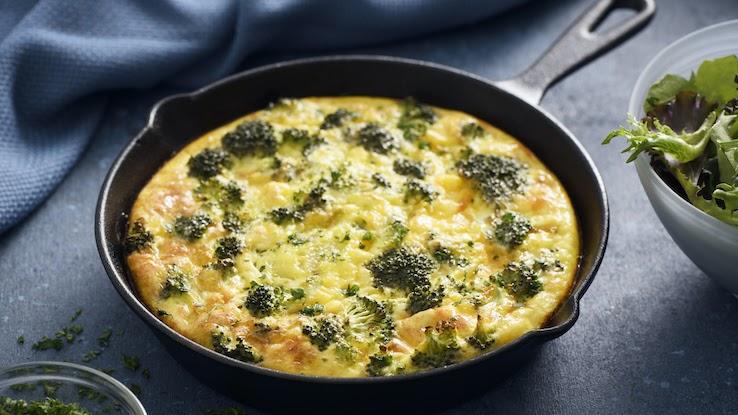
Starting the day with an array of healthy vegetables — plus the protein from eggs — on your plate is never a bad idea. That's why this crustless vegetable quiche is such a nice option: You get great flavors and all the nutritional benefits of whatever veggies you add. Plus, it's vegetarian friendly. Even if you're not fully vegetarian, there are some great reasons to try this quiche; forgoing meat once in a while and upping your consumption of fresh produce can improve your cholesterol levels, for one.

This recipe from Food.com calls for broccoli, red pepper and zucchini, though you can swap them out for other vegetables if you prefer. Mushrooms, asparagus and tomatoes are tasty options as well. All are great sources of different vitamins, minerals and fiber. Add the cheese of your choice and some salt and pepper or other spices for an easy way to change up the flavor profile.

Crustless Quiche Lorraine

 Photo Courtesy: [jaker5000/Getty Images]

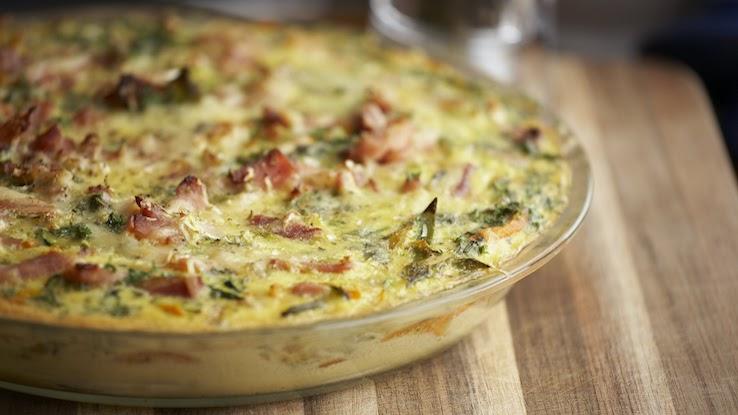
Quiche Lorraine might be one of the most classic (and best-known) recipes for this dish — and it's just as delicious without the crust. If you're looking for a keto-friendly breakfast dish that helps you reach your daily protein goals, this crustless quiche Lorraine, also from Food.com, is a top option.

Generally, people who follow the ketogenic diet get about 75% of their daily calories from fat, 20-30% from protein and around 5% from carbs. This recipe gets its fat and protein from the eggs, bacon and Swiss cheese you'll use. If you want to add a vegetable for extra flavor and nutrients, try spinach; it's relatively low in carbs but packed with healthy vitamins A and K.

Bacon Cheeseburger Keto Breakfast Quiche

 Photo Courtesy: [John Rizzo/Getty Images]

Looking for more crustless quiche options that work just as well for dinners as they do your morning meals? You'll want to try this bacon cheeseburger keto quiche from Kalyn's Kitchen. It satisfies keto fat and protein requirements thanks to its ground beef, bacon, eggs and the cheese of your choice (we recommend sharp cheddar). For a little bit of low-carb veggie crunch, add a handful of green onions and pickles into the mix too — yes, pickles in crustless quiche. They really do elevate this dish with their crunch and zesty tang.

Spicy Southwest Crustless Quiche

 Photo Courtesy: [yipengge/Getty Images]

For those on the keto diet who also like a little kick to their meals, this spicy Southwest crustless quiche from the folks at Wisconsin Cheese will definitely satisfy any flavor cravings. It's packed full of fat and protein thanks to its eggs, heavy whipping cream, milk and pork sausage. Add some jalapenos, green peppers and pepper jack cheese to crank up the spice level.

As with most of the quiche dishes in this list, you'll cook this in a greased pie dish at 350 degrees Fahrenheit until the edges are golden brown and the center of the quiche no longer looks runny or jiggly. It may take about 45 minutes to achieve the right cooked consistency, and you can also tell the quiche is done — as with many baked treats — when a knife inserted into the center comes out clean. Let the quiche stand for about 10 minutes to fully firm up before slicing into it.

Vegan Crustless Quiche

 Photo Courtesy: [Cavan Images/Getty Images]

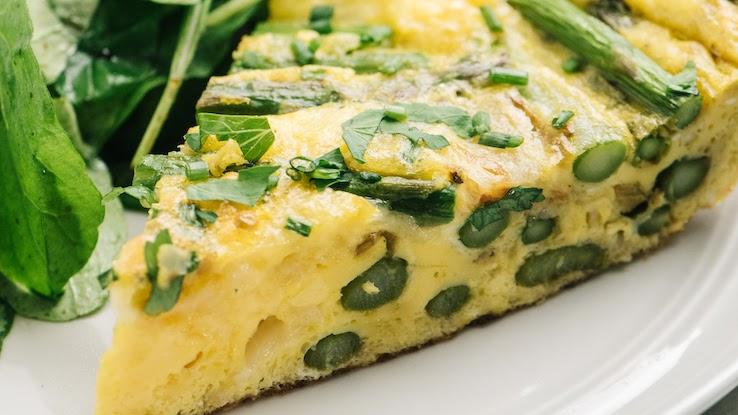
This one is a bit of a surprise — a unique and flavorful surprise. You already know quiche is an egg dish, and eggs aren't vegan. So you might also be wondering how a vegan version could exist. In showcasing some true culinary creativity, this vegan crustless quiche from The Spruce Eats utilizes tofu, dairy-free crumbled cheese, soy or almond milk, nutritional yeast, ground cashews and dairy-free cream cheese.

The result is a smooth, authentic crustless quiche that's perfect for people who eat a plant-based diet or those who are allergic to eggs. In addition to its healthful egg-free base, it's got asparagus, garlic and turmeric to spice things up just right. You can always add or substitute your preference for other veggies as well; consider using what's in season to enjoy them at their peak of freshness.

Kale and Feta Crustless Quiche

 Photo Courtesy: [Kale and Feta Crustless Quiche/Eating Bird Food]

Eating Bird Food's kale and feta crustless quiche recipe is an easy yet flavorful low-carb meal that makes for not only a delicious breakfast but also an ideal main course for lunch or dinner. Simply pair a slice with a cup of soup or a salad to create a well-rounded meal. As an added bonus, this recipe is a little different from other basic crustless quiches, which can keep your taste buds on their toes while giving you a nutrient boost at the same time.

Aside from the kale, feta and eggs — its star ingredients — this recipe uses coconut oil, almond milk, mushrooms, garlic, nutmeg and parsley. And here's an interesting tidbit of information about kale: It's a superfood that's chock-full of vitamins and minerals — but that's also low in calories and carbs.

Resource Links:

https://nutritiondata.self.com/facts/vegetables-and-vegetable-products/2626/2

https://www.mayoclinichealthsystem.org/hometown-health/speaking-of-health/the-many-types-and-health-benefits-of-kale

MORE FROM SYMPTOMFIND.COM

Best Fiber Supplement For Low Carb Diet

Source: https://www.symptomfind.com/health/basic-crustless-quiche-recipes?utm_content=params%3Ao%3D740013%26ad%3DdirN%26qo%3DserpIndex

Share:

Low Carb Diet And Working Out

Low Carb Diet And Working Out

  • Performing high intensity exercise on a low-carb diet can lead to various negative consequences.
  • These include "exercise flu," limited performance, and muscle loss through gluconeogenesis.
  • This is when the body breaks down muscle and converts it to energy due to lack of carbs.

Loading Something is loading.

From keto to carnivore, paleo to Atkins, there are plenty of diets that require eating very low carb.

And while many of these diets are popular among fitness fans, cutting carbs out of your diet is actually detrimental for people who work out a lot.

According to Dr. Mike Molloy, a nutrition coach who works with Olympians and CrossFit athletes and is the founder of nutrition coaching business M2 Performance Nutrition, your body needs carbohydrates to perform at high intensity, so if you don't eat any, you may suffer from what's known as "exercise flu" and lose muscle too.

Your exercise performance is limited without carbs

"Exercise choice and modality really does have a big impact on what type of fuel you should be using in your body," Molloy told Insider.

He said that if you're doing intense workouts like CrossFit MetCons (metabolic conditioning), Barry's Bootcamp, Orange Theory Fitness, F45, or any other HIIT (high intensity interval training), this is high intensity anaerobic exercise and it requires carbohydrates as fuel.

Read more: The HIIT myth: Why we've been sold a lie about high intensity interval training, and what you should be doing instead

If there are no carbs in your system, your performance will hit a ceiling, your capacity will be limited, and there's only so hard your body can work.

"You're setting a regulator on how hard you can really push. Your body's going to just stall," Molloy said.

You may suffer from 'exercise flu'

Molloy said he can often tell when someone has cut out carbs because at the end of an intense workout, they're suffering from what's known as "exercise flu."

Dr Mike Molloy is is the founder of nutrition coaching business M2 Performance Nutrition.
Dr Mike Molloy

"If a person is eating unintentionally or intentionally low carb, at the end of a really high intensity workout, they can end up in a pretty nasty place where they just feel totally out of it, their body aches or their head hurts, and they just want to lay on the ground and not move for 20 minutes," Molloy said.

He continued: "Laying on your back covered in a pile of sweat might feel good in the moment, it might feel like you worked hard, but it is not a sign of an effective workout by any stretch of the imagination."

If you don't eat carbs, your body will break down muscle

There are certain parts of the body, such as the brain, that only run on carbs, so if you don't have any in your diet, your body will make them, and it does that by breaking down the protein in the muscle and turning it into carbohydrate.

This process is called gluconeogenesis, and it's something that occurs if someone is consistently eating very low-carb.

If body recomposition is your goal (losing fat while holding on to — or even building — muscle), you definitely don't want to be cutting carbs, because if you don't eat them, your body will make glucose by breaking down your muscle.

Read more: 8 weight-loss hacks that helped me cut my body-fat percentage nearly in half — and maintain it

"It could be counterproductive, especially if you're in a calorie deficit," Molloy said.

Dropping your calories too low can lead to muscle loss too

Fasted cardio (doing cardio in the morning before eating anything) can also increase the risk of gluconeogenesis, but Molloy says that you should be OK if you eat afterward, or you ate late enough the night before. He also stresses that fasting tends to work better for men, whereas in women there can be more negative consequences such as increased risk of amenorrhea (losing your period).

"In general, we don't recommend fasted training for high intensity exercise simply because again, if you have fuel in your body, it's going to do better during that workout," Molloy said.

What you also don't want to do is drop your calories too low, because this can lead to gluconeogenesis too.

Molloy uses the example of someone who needs 2,000 calories a day to maintain their body as it is: if they drop their calories to, say, 1,200 — whether low carb or not — their body will lose muscle.

"That's not enough in general," Molloy said. "So your body will run this process to make more carbohydrates. It's definitely a problem."

Low Carb Diet And Working Out

Source: https://www.insider.com/why-low-carb-diet-bad-high-intensity-exercise-muscle-loss-2021-2

Share:

Low Carb Diet And Bloating

Low Carb Diet And Bloating

Photo Courtesy: [Phil Fisk/Cultura/Getty Images]

Carbs may be delicious, but, depending on your health status and any conditions you may have, they may not be the most nourishing (or healthy) macronutrients for you to eat. However, that doesn't mean you can't enjoy your favorite typically higher-carb foods — it just means you need a bit of creativity and a few tips and tricks for making modifications. That's especially true when it comes to a classic breakfast favorite: quiche.

Traditional quiche begins with a pie crust as its base, which isn't ideal if you're limiting carbs. But, by removing the crust — or using some delicious, low-carb substitutes — you can still enjoy the delicate egg and zesty ingredient combinations that make this dish so versatile. Start diversifying your low-carb breakfast menu (or even your evening meals) with these easy crustless quiche recipes.

Crustless Vegetable Quiche

Photo Courtesy: [EasyBuy4u/Getty Images]

Starting the day with an array of healthy vegetables — plus the protein from eggs — on your plate is never a bad idea. That's why this crustless vegetable quiche is such a nice option: You get great flavors and all the nutritional benefits of whatever veggies you add. Plus, it's vegetarian friendly. Even if you're not fully vegetarian, there are some great reasons to try this quiche; forgoing meat once in a while and upping your consumption of fresh produce can improve your cholesterol levels, for one.

This recipe from Food.com calls for broccoli, red pepper and zucchini, though you can swap them out for other vegetables if you prefer. Mushrooms, asparagus and tomatoes are tasty options as well. All are great sources of different vitamins, minerals and fiber. Add the cheese of your choice and some salt and pepper or other spices for an easy way to change up the flavor profile.

Crustless Quiche Lorraine

 Photo Courtesy: [jaker5000/Getty Images]

Quiche Lorraine might be one of the most classic (and best-known) recipes for this dish — and it's just as delicious without the crust. If you're looking for a keto-friendly breakfast dish that helps you reach your daily protein goals, this crustless quiche Lorraine, also from Food.com, is a top option.

Generally, people who follow the ketogenic diet get about 75% of their daily calories from fat, 20-30% from protein and around 5% from carbs. This recipe gets its fat and protein from the eggs, bacon and Swiss cheese you'll use. If you want to add a vegetable for extra flavor and nutrients, try spinach; it's relatively low in carbs but packed with healthy vitamins A and K.

Bacon Cheeseburger Keto Breakfast Quiche

 Photo Courtesy: [John Rizzo/Getty Images]

Looking for more crustless quiche options that work just as well for dinners as they do your morning meals? You'll want to try this bacon cheeseburger keto quiche from Kalyn's Kitchen. It satisfies keto fat and protein requirements thanks to its ground beef, bacon, eggs and the cheese of your choice (we recommend sharp cheddar). For a little bit of low-carb veggie crunch, add a handful of green onions and pickles into the mix too — yes, pickles in crustless quiche. They really do elevate this dish with their crunch and zesty tang.

Spicy Southwest Crustless Quiche

 Photo Courtesy: [yipengge/Getty Images]

For those on the keto diet who also like a little kick to their meals, this spicy Southwest crustless quiche from the folks at Wisconsin Cheese will definitely satisfy any flavor cravings. It's packed full of fat and protein thanks to its eggs, heavy whipping cream, milk and pork sausage. Add some jalapenos, green peppers and pepper jack cheese to crank up the spice level.

As with most of the quiche dishes in this list, you'll cook this in a greased pie dish at 350 degrees Fahrenheit until the edges are golden brown and the center of the quiche no longer looks runny or jiggly. It may take about 45 minutes to achieve the right cooked consistency, and you can also tell the quiche is done — as with many baked treats — when a knife inserted into the center comes out clean. Let the quiche stand for about 10 minutes to fully firm up before slicing into it.

Vegan Crustless Quiche

 Photo Courtesy: [Cavan Images/Getty Images]

This one is a bit of a surprise — a unique and flavorful surprise. You already know quiche is an egg dish, and eggs aren't vegan. So you might also be wondering how a vegan version could exist. In showcasing some true culinary creativity, this vegan crustless quiche from The Spruce Eats utilizes tofu, dairy-free crumbled cheese, soy or almond milk, nutritional yeast, ground cashews and dairy-free cream cheese.

The result is a smooth, authentic crustless quiche that's perfect for people who eat a plant-based diet or those who are allergic to eggs. In addition to its healthful egg-free base, it's got asparagus, garlic and turmeric to spice things up just right. You can always add or substitute your preference for other veggies as well; consider using what's in season to enjoy them at their peak of freshness.

Kale and Feta Crustless Quiche

 Photo Courtesy: [Kale and Feta Crustless Quiche/Eating Bird Food]

Eating Bird Food's kale and feta crustless quiche recipe is an easy yet flavorful low-carb meal that makes for not only a delicious breakfast but also an ideal main course for lunch or dinner. Simply pair a slice with a cup of soup or a salad to create a well-rounded meal. As an added bonus, this recipe is a little different from other basic crustless quiches, which can keep your taste buds on their toes while giving you a nutrient boost at the same time.

Aside from the kale, feta and eggs — its star ingredients — this recipe uses coconut oil, almond milk, mushrooms, garlic, nutmeg and parsley. And here's an interesting tidbit of information about kale: It's a superfood that's chock-full of vitamins and minerals — but that's also low in calories and carbs.

Resource Links:

https://nutritiondata.self.com/facts/vegetables-and-vegetable-products/2626/2

https://www.mayoclinichealthsystem.org/hometown-health/speaking-of-health/the-many-types-and-health-benefits-of-kale

MORE FROM SYMPTOMFIND.COM

Low Carb Diet And Bloating

Source: https://www.symptomfind.com/health/basic-crustless-quiche-recipes?utm_content=params%3Ao%3D740013%26ad%3DdirN%26qo%3DserpIndex

Share:

Recent Posts

banner